
Charlotte Divorce Attorney
 Ending a marriage is never easy, but the right Charlotte Divorce Lawyer can help you protect your future and move forward with confidence. Take the first step today. Contact Us or call 380-203-2023 to schedule your free consultation.
At WSM, we focus exclusively on representing women and protecting what matters most—your financial future, your children, and your voice. Our Charlotte team provides the steady, strategic guidance you need to navigate the Mecklenburg County court system with clarity and confidence.
You don’t have to go through this alone. We are here to help you understand your rights, make informed decisions, and build a secure path forward.
Why Women Choose WSM for Divorce Representation
Divorce is rarely simple, and for women, the stakes can be particularly high. WSM was built to serve women through every stage of the divorce process. Our attorneys understand the legal and personal challenges women face when ending a marriage, and we are committed to protecting your rights and your future at every turn.
WSM’s Charlotte attorneys handle a full range of divorce matters, including:
- Divorce for Women: Dedicated legal representation focused on the unique challenges women face in divorce, from protecting financial interests to securing fair outcomes in court.
- High-Asset Divorce: When significant wealth, investments, business interests, or real estate are involved, a thorough legal strategy is essential to ensure assets are properly identified and equitably divided.
- High-Conflict Divorce: When the other side is combative or uncooperative, WSM provides firm, effective advocacy to protect your interests and keep your case moving forward.
- Same-Sex Divorce: We understand the distinct legal considerations that can arise in same-sex divorces, including issues related to property, support, and parentage.
- Gray Divorce: Divorcing later in life brings unique financial concerns, including retirement accounts, Social Security, long-term support, and estate planning implications.
- Legal Separation: For women who are not yet ready to pursue a full divorce, we can help you establish a legal separation that protects your rights in the interim.
- Spousal Support and Alimony: Whether you are seeking support or responding to a claim, our attorneys work to ensure any alimony arrangement reflects the full picture of your marriage and financial circumstances.
- Asset Division: North Carolina is an equitable distribution state, and we work to ensure the division of marital property is fair and accounts for all relevant financial contributions.
- Discovery and Hidden Assets: When a spouse is not forthcoming about finances, WSM pursues thorough discovery to uncover the complete financial picture, including locating hidden or concealed assets.
- Women’s Guide to Divorce: WSM provides clients with resources and guidance to help them understand the divorce process in North Carolina, so you are never left in the dark.
In addition to these matters, our team is also well-equipped to address all child-related issues that arise in divorce, including custody arrangements, child support, and parenting plans. Whatever your situation, WSM is here to help you move forward with clarity and confidence.
Starting the Divorce Process in Charlotte, North Carolina
In Charlotte, divorce isn’t a single event; it’s a series of legal steps. These steps begin the moment you move into a separate home. Because North Carolina law is so specific, mistakes made early in the process can have permanent consequences.
Separation
Separation is the first step towards obtaining a divorce. North Carolina has a mandatory separation rule, meaning you must live separate and apart in different residences for one year and one day before you can file for an absolute divorce. Under the mandatory separation rule, you don’t need to get a formal court-ordered separation for the separation to begin.
However, legal separation is an option, and a smart one, in some cases. North Carolina has “divorce from bed and board.” While the name includes the term divorce, this legal order isn’t a divorce at all, but rather a form of legal separation. A court may grant a divorce from bed and board separation when a spouse:
- Abandons their family
- Maliciously forces the other spouse out of the marital home
- Commits domestic violence
- Acts cruelly against their spouse
- Struggles with an alcohol or substance abuse disorder
- Commits adultery
This type of separation can protect you by helping you secure possession of the marital home and support before the one-year waiting period for a final divorce is up.
Separation Agreements
While you have the waiting period between separation and divorce, you don’t have to wait a year to resolve the most important issues. Many of our clients choose to draft a comprehensive separation agreement. This is a private contract that can settle:
- Property and Debt Division: Deciding who keeps the house, how retirement accounts are split, and who is responsible for the credit cards.
- Spousal Support: Establishing post-separation support and alimony to maintain your standard of living.
- Parenting Plans: Creating a detailed child custody and child support arrangement that works for your family’s unique schedule.
Filing for Divorce in Charlotte
When you’re getting divorced in Charlotte, you will be filing with the Mecklenburg County Courts. As mentioned, you will need to have been living apart from your spouse for the required period. Additionally, at least one spouse must have resided in North Carolina for at least six months immediately preceding the filing of the divorce action.
Initiating the Divorce and Service of Process
The divorce process officially begins when you file a Complaint for Absolute Divorce and a Civil Summons. After filing, the law requires that your spouse be formally notified of the lawsuit, a step known as “service of process.” You cannot hand the papers to your spouse yourself. In Mecklenburg County, common methods of service include:
- Sheriff Service: A deputy personally delivers the papers for a small fee.
- Certified Mail: Sending the documents via USPS with a return receipt requested.
- Acceptance of Service: Your spouse can sign a notarized document acknowledging they received the paperwork, which simplifies the process.
Waiting Period and Final Judgment
Once served, your spouse has 30 days to file an “Answer.” If they do not respond or if they agree to the divorce, you can move forward with scheduling a hearing. In Mecklenburg County, many uncontested divorces can be resolved through a brief, straightforward court hearing or handled administratively, which may not require extensive court appearances.
On the day the divorce is granted, a judge will sign the Judgment of Absolute Divorce. This document officially ends the marriage. However, if there are unresolved issues regarding child custody or complex assets, these matters will follow a different track in the family court system.
Securing Your Financial Future in Charlotte
Financial independence is often the top concern for women facing divorce. North Carolina’s equitable distribution laws under N.C. Gen. Stat. § 50-20 presume that an equal split is fair, but that is just the starting point. At WSM, we dig deeper to ensure you aren’t shortchanged.
The Difference Between Marital and Separate Property
One of the most common pitfalls for women is failing to protect their separate property, which includes assets they owned before the marriage or received as an inheritance. If these assets were “commingled” with marital funds, they could be at risk. We work to trace your separate property and keep it out of the marital pot.
Spousal Support
In North Carolina, spousal support, also called alimony, is based on a “dependent spouse” and “supporting spouse” model. There is no rule of thumb or minimum number of years you must be married to qualify for support. The duration of your marriage can influence how long support lasts, but it does not restrict you from receiving the help you need to get back on your feet.
If you relied on your spouse’s income during the marriage, you may be entitled to support. We advocate for alimony that reflects the lifestyle you helped build, taking into account the duration of the marriage and your contributions as a homemaker or co-provider.
Post-Separation Support vs. Spousal Support
Post-separation support is temporary financial assistance that is usually decided quickly to help a dependent spouse during the one-year separation period. Alimony is a longer-term support arrangement that is finalized as part of the divorce decree or a separation agreement.
Charlotte, NC Divorce FAQs
How Long Does A Divorce Take In Charlotte?
Can I Get A Divorce If My Spouse Won’t Sign The Divorce Papers?
How Much Does A Divorce Cost In Charlotte?
Do I Really Need To Hire A Divorce Attorney?
Can I Change My Name At The Time Of The Divorce?
Call a Women’s Divorce Lawyer in Charlotte, NC
We believe that every woman deserves to walk away from her marriage with her dignity and her financial security intact. We don’t just “process cases”; we build strategies that account for the reality of your life in Charlotte. At WSM, we are proud to be the firm that Charlotte women turn to when they need a strong, clear-eyed advocate.
Contact WSM at 380-203-2023 or online for your free consultation with a Charlotte divorce attorney.
Charlotte Family Law and Women’s Resources
Domestic Violence & Emergency Support
Safe Alliance Charlotte (safealliance.org) — Supports survivors of domestic violence, sexual assault, and human trafficking with crisis help, counseling, shelter, and advocacy.
Victim Assistance — Mecklenburg County’s support services for those experiencing domestic violence, stalking, or other safety concerns.
Counseling & Emotional Support
Charlotte Counseling and Wellness — Counseling for anxiety, trauma, life transitions, and relationship challenges.
Women’s Support & Life Transition Resources
Center of Hope – Women & Children — Community support programs for women and families.
Women of Hope New Living — Transitional support and resources for women working toward stability and a fresh start.
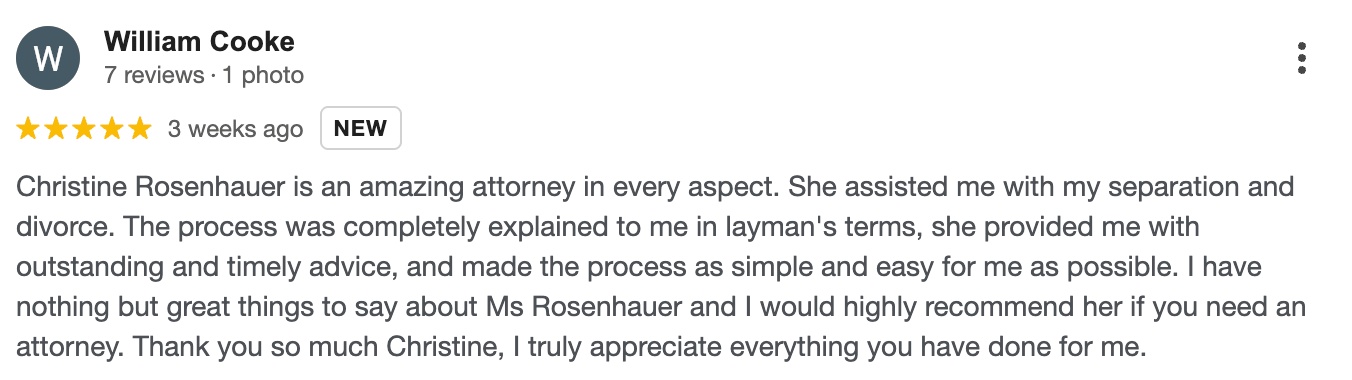
Client Review
Charlotte Divorce Resources and Blog Posts
WSM Law Charlotte
6201 Fairview Rd suite 208, Charlotte, NC (28210)
Today
Schedule Your
Consultation


Call For A Consultation 380-203-2023