
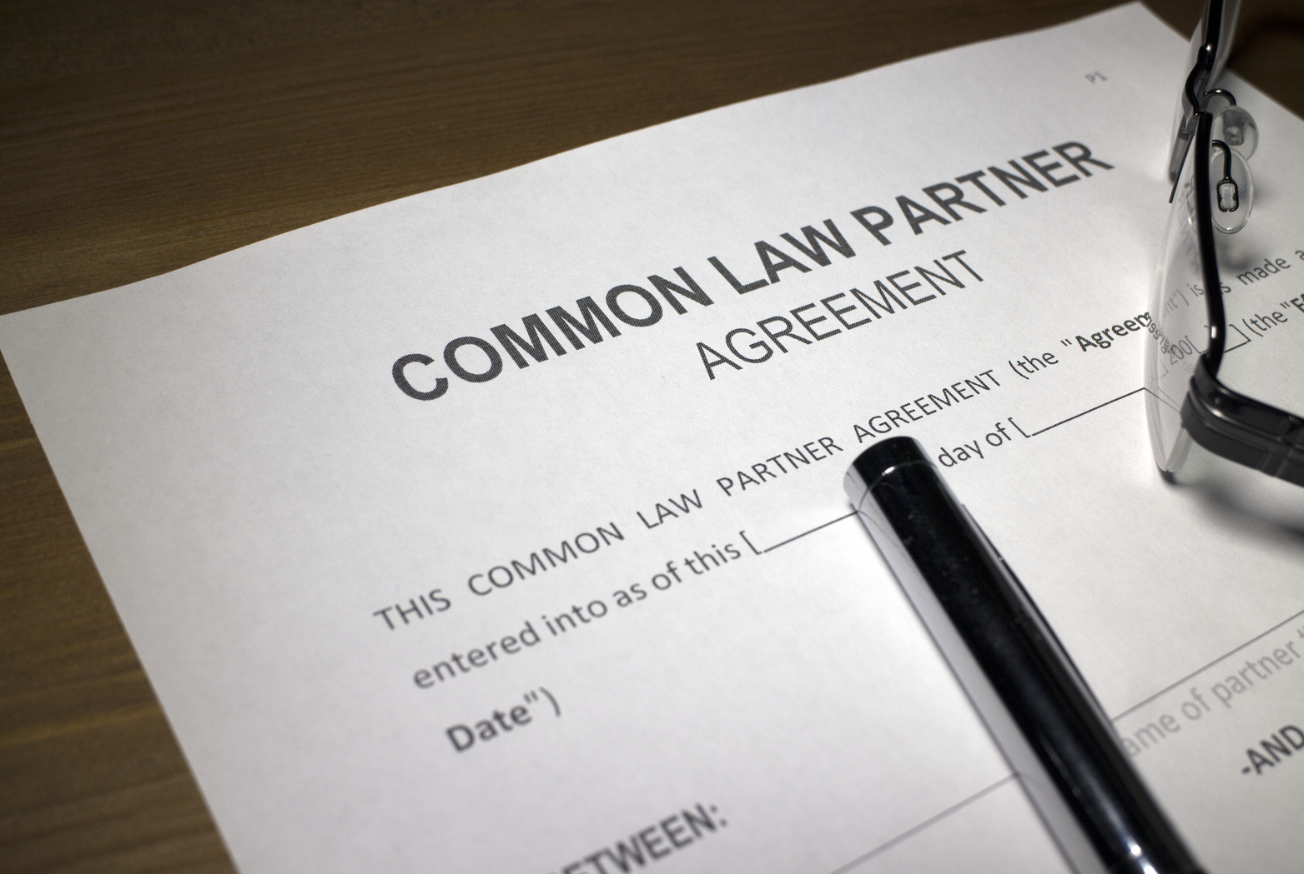
Pennsylvania previously recognized common law marriage when two people agreed to live together as spouses and presented themselves to the public as a married couple without a marriage license or formal ceremony. However, these marriages are no longer recognized for relationships formed after January 1, 2005. If you believe your relationship may qualify, what that means for your legal rights depends entirely on when the relationship began and what evidence exists to support the claim.
Elements of Common Law Marriage in Pennsylvania
Under 23 Pa.C.S. § 1103, you can only have a common law marriage in Pennsylvania if the relationship was formed before January 1, 2005. Even then, proving your relationship qualifies is challenging.
You must show by clear and convincing evidence that you and your partner reached an express agreement, referred to in Pennsylvania case law as verba in praesenti, meaning words spoken in the present tense, to enter into marriage at that moment.
This is not a casual promise to marry in the future. It requires a mutual, present-tense exchange confirming that both parties considered themselves married, followed by cohabitation and presenting the relationship publicly as a marriage before January 1, 2005.
Some examples of acceptable forms of proof include:
- Statements of marital intent: Testimony from either party or witnesses showing that both partners agreed they were married, including whether they referred to each other as spouses in conversations or written communications.
- Holding out as married: Evidence that the couple presented themselves publicly as spouses, such as introducing each other as married, signing cards jointly, or representing the relationship as a marriage in social or community settings.
- Joint financial arrangements: Shared bank accounts, jointly titled property, or joint debts that support the claim that the couple functioned as a married unit.
- Shared name or documents: Using the same last name, listing a partner as a spouse on insurance forms, or identifying each other as married on official paperwork.
- Affidavits from friends or family: Statements from individuals who observed the relationship and understood the couple to be married.
Simply living together for many years is not enough. The court looks for specific evidence of a mutual agreement and consistent conduct showing both parties intended to be married rather than merely cohabitating.
Do Common Law Spouses Have Rights in Pennsylvania?
If you can prove that you and your partner established a valid common law marriage before January 1, 2005, you are entitled to the same rights and protections as formally married couples. These include:
- Inheritance rights: As a surviving spouse, you have the right to inherit from your partner’s estate under Pennsylvania’s intestate succession laws if they die without a will. The specific share depends on whether the decedent left children or other surviving relatives, as outlined in 20 Pa.C.S. § 2102. You may also claim an elective share of one-third of the estate under 20 Pa.C.S. § 2203, even if a will attempts to exclude you.
- Equitable distribution of property: Upon divorce, Pennsylvania courts will equitably divide marital property, regardless of how it is titled. This includes assets acquired during the marriage, retirement contributions, and similar holdings.
- Spousal support and alimony: You can seek spousal support, alimony pendente lite during divorce proceedings, and post-divorce alimony if the marriage ends. Without a recognized common law marriage, these options are generally not available.
- Healthcare and medical decisions: As a legal spouse, you have the right to make medical decisions for an incapacitated partner and to access spousal health insurance benefits.
- Other marital benefits: These include pension survivorship rights, workers’ compensation death benefits, and the right to file joint tax returns.
These rights depend on proving that a legally recognized common law marriage existed before the 2005 cutoff. Without sufficient proof, the relationship may be treated as cohabitation rather than marriage, which significantly limits available legal protections. Without a common law marriage, you cannot seek a formal divorce when you break up, which does not give you the right to support or an equitable division of property.
Contact a Divorce Lawyer from WSM Law Today
Proving a common law marriage in Pennsylvania is difficult and depends heavily on the specific facts of your relationship. Too many women end up with nothing after a relationship ends that was never solidified in marriage. If you believe you may have a valid common law claim, getting legal guidance early is an important step toward protecting your rights and understanding what evidence will matter most to a court.
At WSM Law, we represent women exclusively, and our team has helped clients in Pennsylvania pursue proper legal recognition in common law marriage claims. Do not wait. Call our divorce attorneys at (412) 336-3931 or contact us online to request a free consultation.